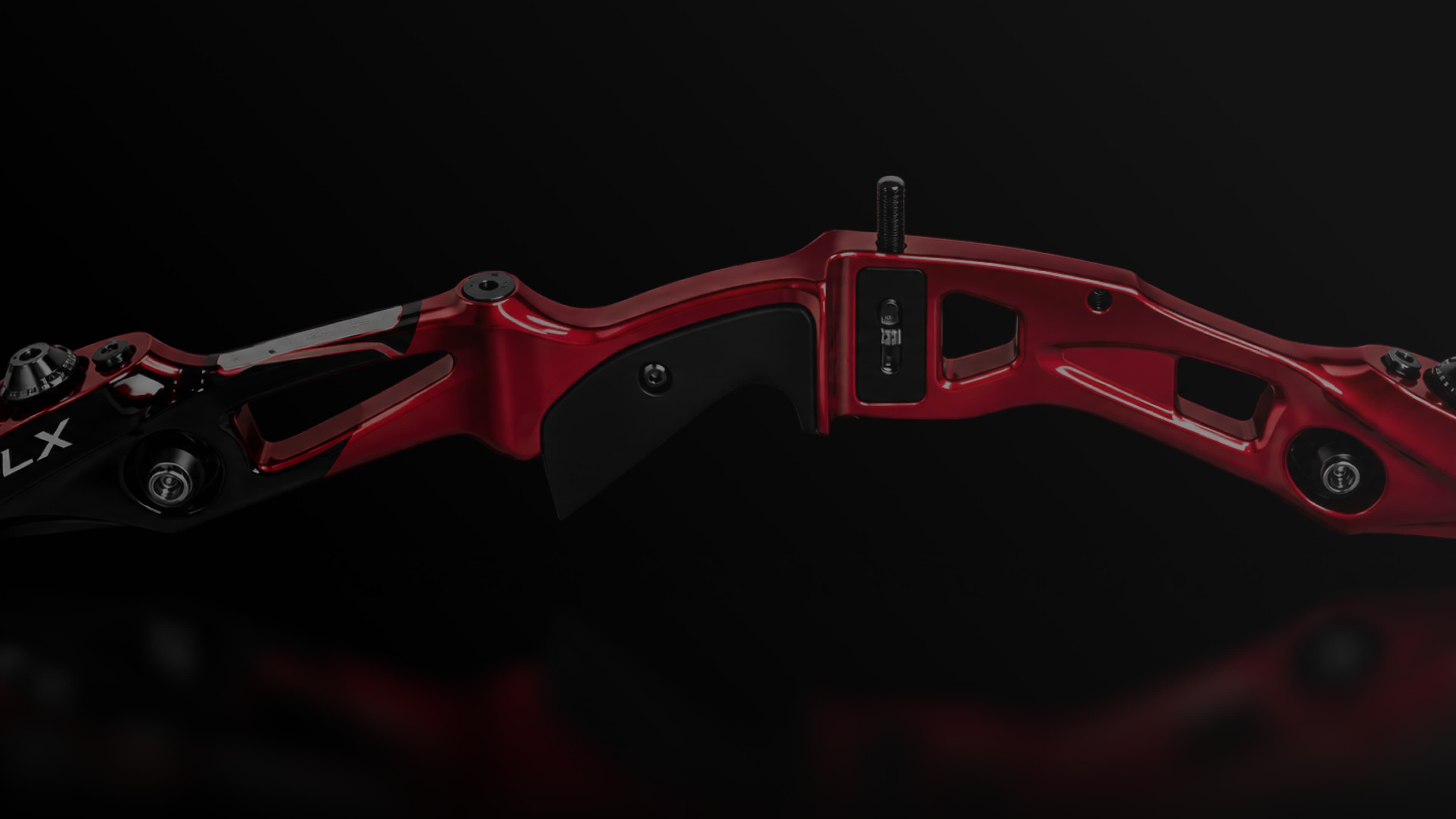


GRAPHENE
TECHNOLOGY

IT STARTS WITH THE MATERIAL.
Better performance starts with better materials, leading to higher scores.

KEY MATERIAL

One of the Strongest Materials Known to Exist, GRAPHENE

What Is Graphene Nanocarbon?

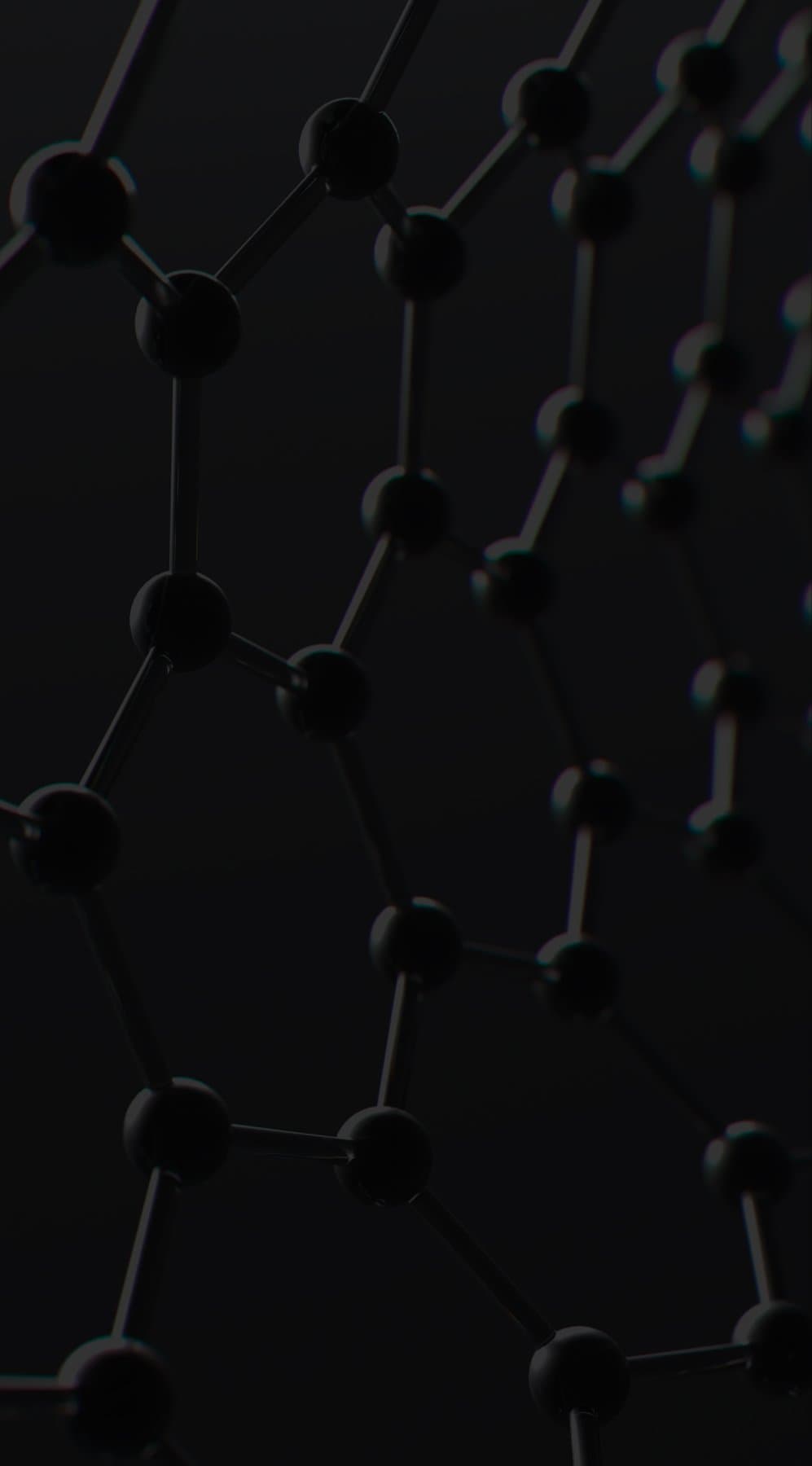
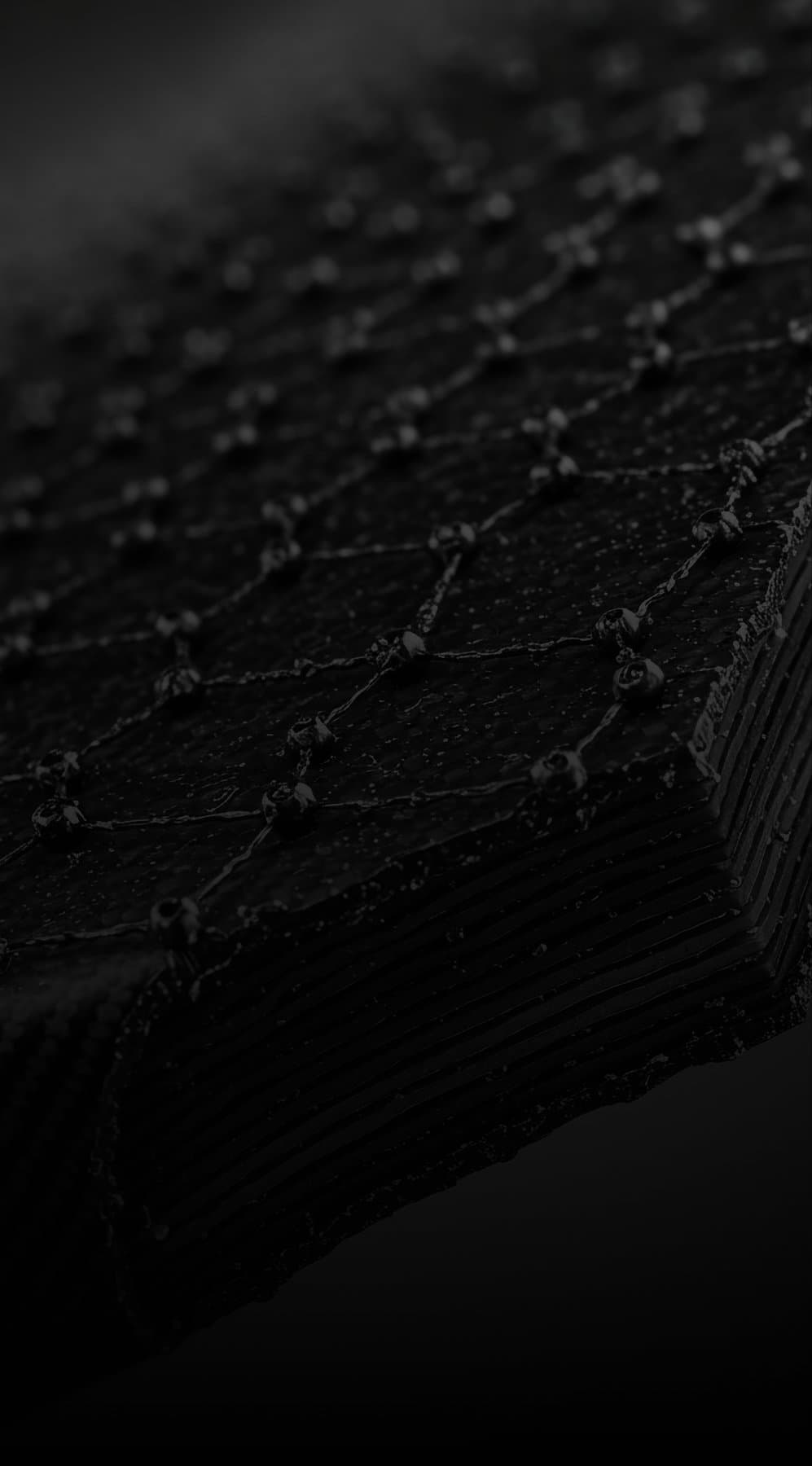
Graphene is a two-dimensional (2D) material consisting of a single layer of carbon atoms arranged in a hexagonal honeycomb lattice. Awarded the Nobel Prize in Physics in 2010, graphene is renowned for its exceptional tensile strength. It is over 100 times more electrically conductive than copper and approximately 200 times stronger than steel.

Unlike conventional carbon nanotubes (CNTs), which have a cylindrical structure, graphene features a flat, two-dimensional sheet structure. This fundamental structural difference gives rise to distinct material properties. In particular, its broad 2D surface offers unique potential for vibration energy dissipation, while also providing advantages in achieving uniform dispersion within composite materials.

WIAWIS has developed in-house expertise across all three critical areas: material formulation with carbon fiber and resin, molding processes, and material property control. This enables us to tailor material properties to specific performance requirements from the earliest stages of product design.

MATERIAL COMPARISON

Conventional Carbon Fiber, CNT, and Graphene Nanocarbon

Graphene's two-dimensional planar structure provides a much larger interfacial contact area with resin than CNTs, allowing its material properties to be distributed more uniformly and consistently throughout the composite material.

Standard Carbon

Standard Carbon

Structure
Fiber Bundles
Strength
Vibration Damping
Material Dispersion
Durability
Technology Level
Conventional Material

CNT

CNT

Structure
Cylindrical Tubes
Strength
Vibration Damping
Material Dispersion
Non-uniform due to agglomeration
Durability
Technology Level
1st-Generation Nanomaterial

Graphene Nanocarbon | WIAWIS

Graphene Nanocarbon

Structure
2D Planar Sheets
Strength
Vibration Damping
Material Dispersion
Uniform dispersion and consistent properties
Durability
Technology Level
Next-Generation Nanomaterial

FOUR KEY MATERIAL PROPERTIES

How Graphene Nanocarbon Enhances Archery Performance

We quantitatively analyze every physical factor that influences performance and directly incorporate the findings into our material design.

STIFFNESS01

Transfer Energy Without Loss

The energy generated when shooting the bow must be transferred fully to the arrow. Greater stiffness in the riser and limbs helps minimize energy loss, ensuring efficient energy transfer to the arrow.

LIGHTWEIGHTNESS02

Maximum Strength, Minimum Weight

Strength and weight are not necessarily a trade-off. Graphene nanocarbon enables significant weight reduction without compromising strength, helping archers maintain consistent performance even during long hours of competition.

VIBRATION DAMPING03

Stay on Target, Even After the Shot

Graphene's wide two-dimensional structure helps distribute and absorb vibrations generated at the moment of release. It is designed to minimize vibrations that could affect the archer's aim before the next shot.

DURABILITY04

Consistent Performance, Shot After Shot

Graphene helps inhibit the propagation of microscopic cracks within carbon fiber composites. Even after thousands of repeated shots, it helps preserve the material's elasticity and stiffness, maintaining consistent performance over time.

MATERIAL MATTERS.
RESULTS MATTER MORE.

Every innovation in materials is driven by one goal: achieving higher scores.